Working hard in the background...
Best Credit Cards in Canada - April 2026
Published Mar 13, 2026 3:50 PM • 5 min read
Fact Checked

Written By
Credit Card Expert
Edited By
Credit Card Expert
Reviewed By
Lead WriterThe best credit card is the one that fits your spending habits and lifestyle. Based on where you are in your financial journey, we've curated a list of top credit cards across various categories including cash back, low interest, balance transfer, no annual fee, and travel rewards to help you find the perfect match.
Data-driven rankings of 120+ credit cards using a proprietary algorithm
Comprehensive analysis using 25+ data points including terms and conditions, points programs, and more
Objective editorial approach - we strive for unbiased reviews following our editorial guidelines
FinlyWealth's credit cards content, including rankings and recommendations, is overseen by a team of engineers and writers who specialize in credit cards, banking, and personal finance. Our work has been featured in The Globe and Mail, GoBankingRates, and AOL. Our proprietary analysis systems evaluate product features, terms, and conditions to deliver comprehensive reviews and comparisons while maintaining strict editorial standards for accuracy and integrity.
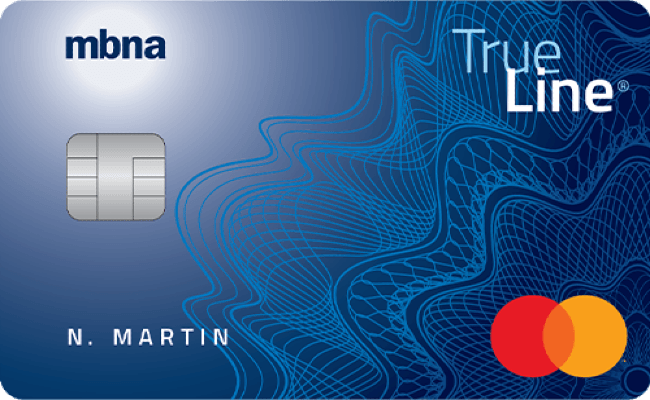
MBNA True Line® Mastercard®: Best Balance Transfer Credit Card
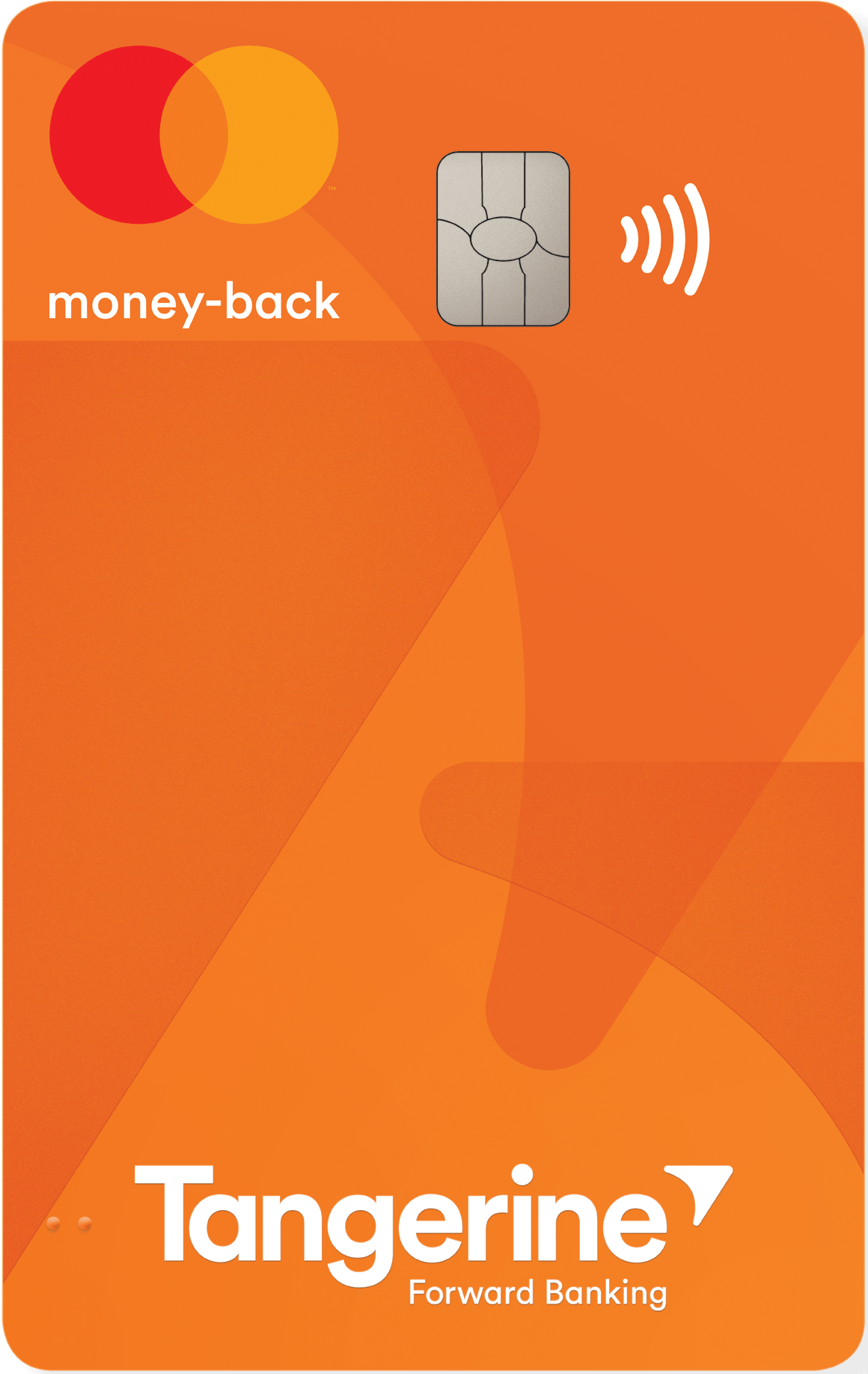
Tangerine Money-Back Mastercard: Rewards card with balance transfer intro offer
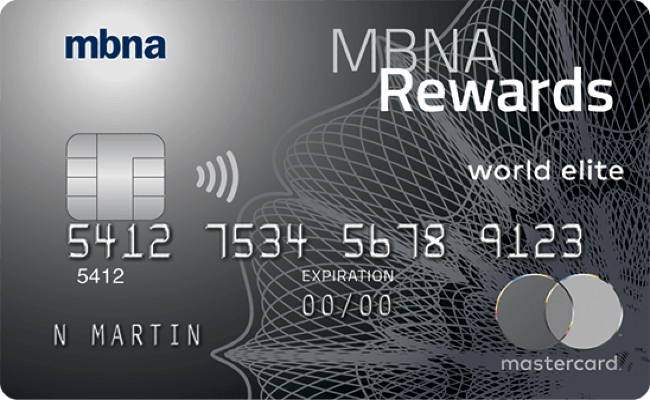
MBNA Rewards World Elite® Mastercard®: Best Overall Rewards Credit Card
Rogers Red World Elite® Mastercard: Best No Annual Fee Cashback Credit Card
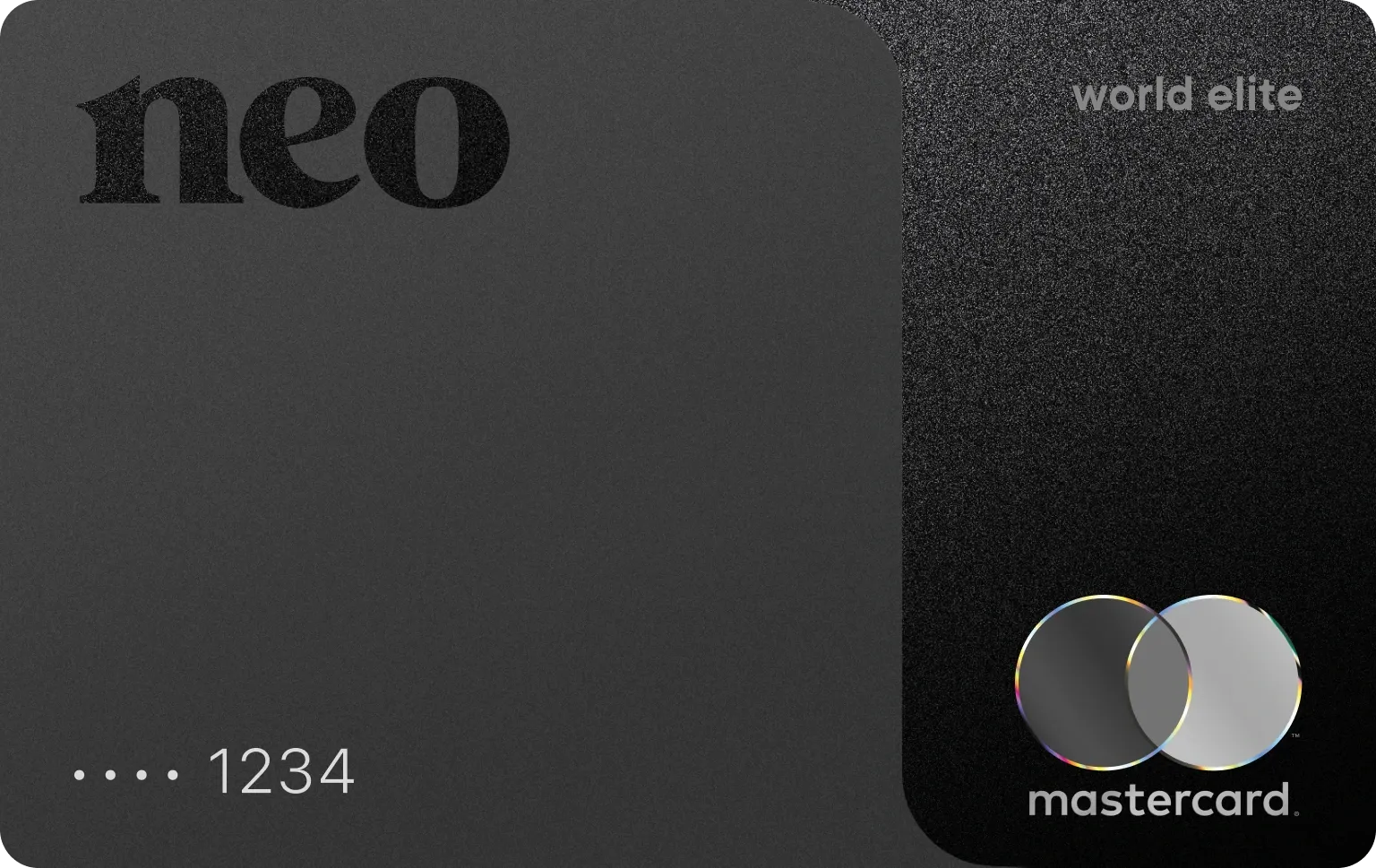
Neo World Elite® Mastercard®: Best Cashback
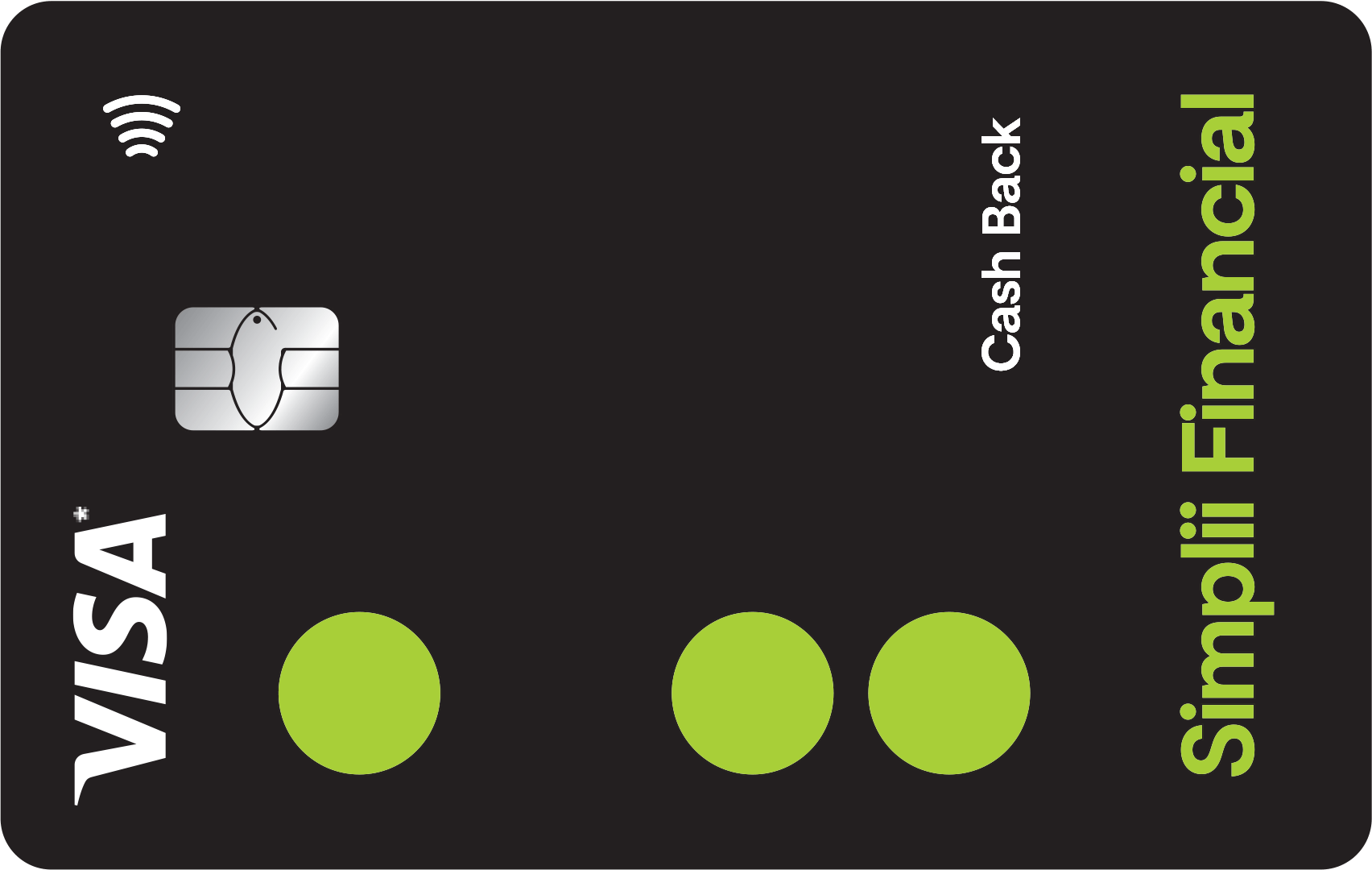
Simplii Financial™ Cash Back Visa* Card: Food and Groceries Cashback
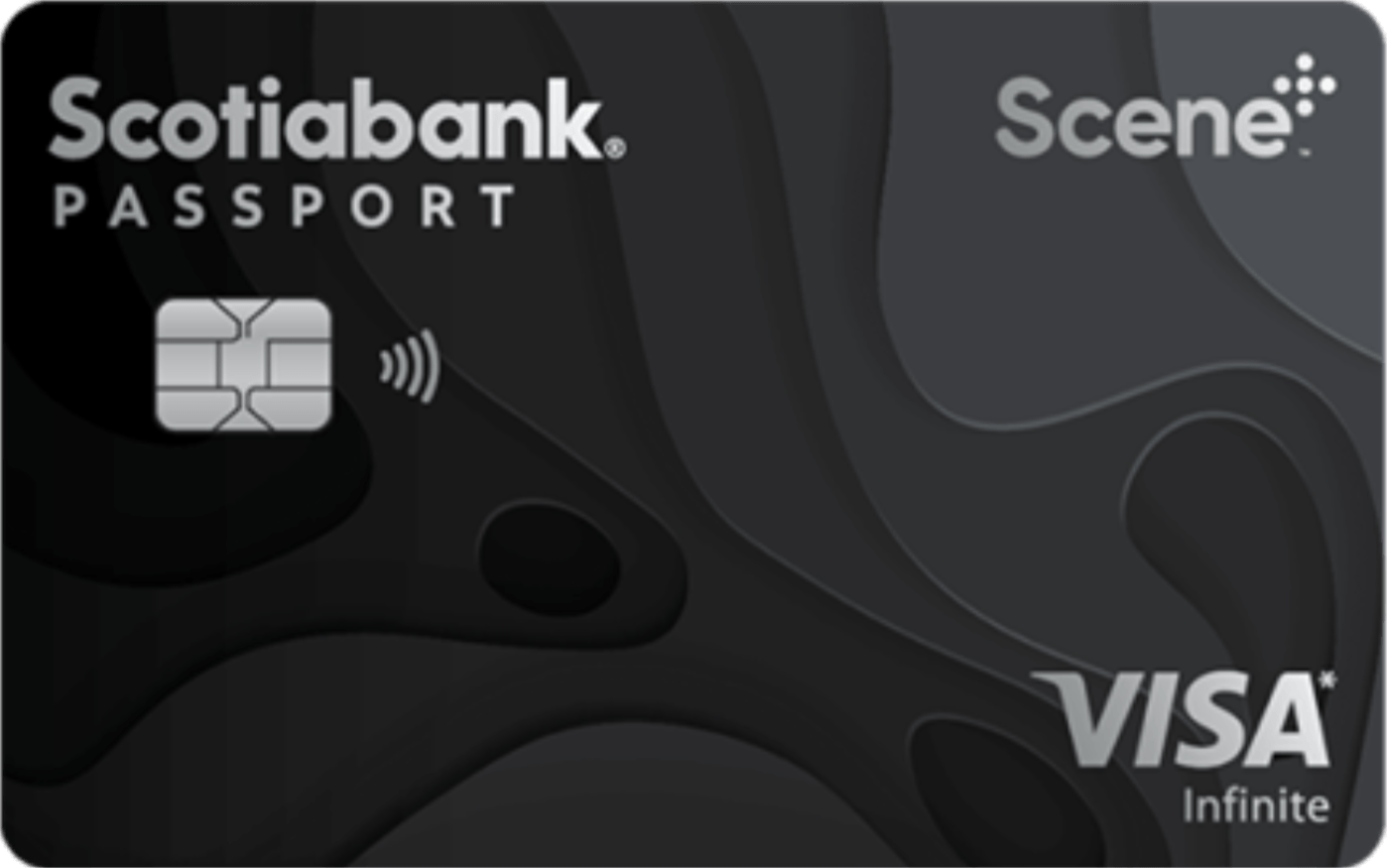
Scotiabank Passport® Visa Infinite* Card: Overall Travel and No Foreign Transaction Fees
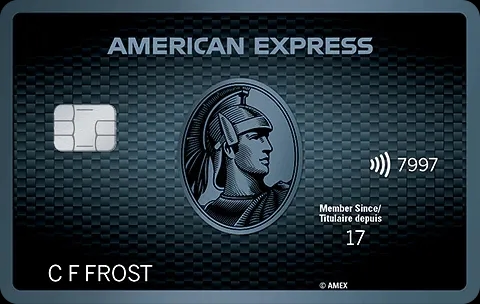
American Express Cobalt® Card: Travel Rewards
Rogers Red Mastercard: Rogers, Shaw, or Fido Customers
Neo World Mastercard® Secured: Secured Credit Card
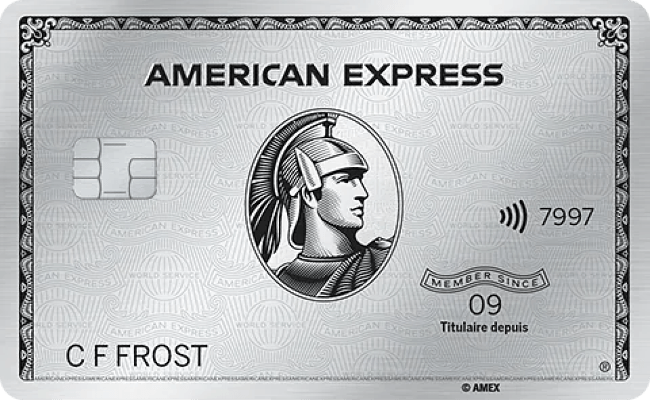
American Express Platinum Card®: Luxury Travel
Our choice for: Best Balance Transfer Credit Card
APPLY NOW
on MBNA's website

Welcome Bonus
0% rate on balance transfers for 12 months (3% fee applies). Not available for residents of Quebec.†
Rewards Rate
0%
Annual Fee
$0
Interest Rates
12.99%* / 24.99%*
RECOMMENDED CREDIT SCORE
300Poor
560Fair
660⁎Good
725⁎Very Good
760⁎Excellent
5/5
Voted the Best Balance Transfer Credit Card by FinlyWealth, the MBNA True Line offers a 0 percent introductory balance transfer rate, a feature that very few credit cards in Canada provide, along with a very competitive transfer fee. Beyond the promotional period, it continues to stand out with one of the lowest ongoing purchase interest rates in Canada. With no annual fee, this card is an excellent choice for Canadians looking to reduce interest costs.
Awards & Recognition

Best Balance Transfer Credit Card
2026
Pros
- No annual fee
- Balance transfer intro offer
- Low purchase interest rates
- Credit transfers
- Fraud protection
- Car rental discounts
Cons
- Flat transfer fee
- No rewards
Rewards
- No rewards earned on purchases.
- Standard Annual Interest Rates of 12.99% on eligible purchases, 17.99% on balance transfers✪, and 24.99% on cash advances.
- You could get a 0% promotional annual interest rate (“AIR”)† for 12 months on balance transfers✪ completed within 90 days of account opening, with a 3% transfer fee. This offer is not available for residents of Quebec.
- Use available credit on your credit card to transfer funds right to your chequing account.
- Around-the-clock fraud protection.
Benefits
Details

Car Rental Discount
10% off base rate of Avis Rent A Car and Budget Rent A Car in Canada and US and 5% internationally
Eligibility
Credit Score
GoodAnnual Income
N/A
*†, ✪, Terms and Conditions apply. This offer is not available for residents of Quebec. Sponsored advertising. MBNA is a division of The Toronto-Dominion Bank (TD) and TD is not responsible for the contents of this site including any editorials or reviews that may appear on this site. For complete information on this MBNA credit card, please click on the “Apply Now” button. The Toronto-Dominion Bank is the issuer of this credit card. MBNA is a division of The Toronto-Dominion Bank. ®MBNA and other-trademarks are the property of The Toronto-Dominion Bank. Balance transfers will be fulfilled in the order listed and are treated as balance transfers in accordance with your Account Agreement. The total value of balance transfers cannot exceed your authorized credit limit. If the value is greater, MBNA may send a partial payment to the named creditor/designated account. THERE WILL BE A TRANSACTION FEE EQUAL TO 3.00% OF THE DOLLAR AMOUNT OF EACH BALANCE TRANSFER INITIATED WITH THIS APPLICATION. A MINIMUM FEE OF $7.50 WILL APPLY TO EACH BALANCE TRANSFER TRANSACTION. A balance transfer may not be used to pay off or down your account balance or any other balances with us (including our affiliates, which would include any member of the TD Bank Group). Important Notice: Effective September 25, 2025: If the Balance Transfer fee is less than $3.50, we will charge a minimum Balance Transfer fee of $3.50. Check here for full details and current product information.
Our choice for: Rewards card with balance transfer intro offer
APPLY NOW
on Tangerine's website
Welcome Bonus
10% Cash Back (up to $100 value) + 1.95% balance transfer promo rate for 6 months
Annual Fee
$0
Interest Rates
20.95%* / 22.95%*
RECOMMENDED CREDIT SCORE
300Poor
560⁎Fair
660⁎Good
725⁎Very Good
760⁎Excellent
4.4/5
While we think Tangerine isn't the best single credit card to own, it's still a valuable card to have in your arsenal for maximizing your rewards. It offers one of the highest cashback rates for pharmacy and recurring bill payments, areas where your other credit cards might not provide significant rewards. This card only requires a Fair credit score, making it an excellent choice for people who don't have a high credit score yet.
Awards & Recognition

Best Starter Credit Card
2026
Pros
- Customizable cashback
- Unique categories available
- High recurring transaction optimization
- High pharmacy purchase optimization
- Bonus category available
- No annual fee
Cons
- Basic insurance
- Low base earn rate
Rewards
- 2% Money-Back Rewards on your choice of two categories from the 13 offered by Tangerine (Grocery, Restaurants, Gas, Entertainment, Furniture, Hotel-Motel, Drug Store, Reccurring Bill Payments, Home Improvement, Public Transportation and Parking and more). Change them up every 90 days to match your spending habits.
- Have your Money-Back Rewards deposited into a Tangerine Savings Account and get a third 2% Money-Back Category.
- 0.5% cashback on all other credit card purchases.
Insurance
Coverage

Purchase Protection
90 days
Extended Warranty
Up to a year
Eligibility
Credit Score
FairAnnual Income
$12,000 personal
*Tangerine is not responsible for maintaining accuracy of content on this site. Please refer to Tangerine's site for the latest product details. Check here for full details and current product information.
Our choice for: Best Overall Rewards Credit Card
APPLY NOW
on MBNA's website
Welcome Bonus
Up to 30,000 points ($245 in cash back value or $300 when redeemed for MBNA Travel)††
Annual Fee
$120
Interest Rates
21.99% / 22.99%
RECOMMENDED CREDIT SCORE
300Poor
560Fair
660⁎Good
725⁎Very Good
760⁎Excellent
5/5
The MBNA Rewards World Elite® Mastercard® is one of the best reward credit cards in Canada, offering high rewards on frequently spent categories such as groceries and restaurant purchases. The annual birthday bonus, unique to this card, also provides a significant boost to your yearly earnings. Additionally, the card features a comprehensive list of benefits, including price protection—a rare and valuable perk not found with many other cards in Canada. These factors make this card one of the best to have in Canada.
Awards & Recognition

Best Rewards Credit Card
2026
Pros
- High grocery optimization
- High dining optimization
- Annual birthday bonus
- Solid travel insurance
- Rare price protection
- Good redemption values
Cons
- Missing key insurance categories
- Low gas optimization
- Annual fee
- High income requirements
Rewards
- Earn 5 points‡ for every $1 spent on eligible restaurant, grocery, digital media, membership, and household utility purchases until $50,000 is spent annually in the applicable category.
- 1 point‡ for every $1 on all other eligible purchases.
- Each year, you will receive Birthday Bonus Points‡ equal to 10% of the total number of Points the Account earned in the 12 months before the month of the primary cardholder's birthday, to a maximum Birthday Bonus each year of 15,000 Points.
Insurance
Coverage

Mobile Device Insurance
$1,000Purchase Protection
90 daysExtended Warranty
1 year.svg)
Car Rental Damage & Theft
31 days
Flight Delay
$500/person after 4 hours
Common Carrier Travel Accident Insurance
$1,000,000
Travel Medical Insurance (64 & under)
$2M for 21 days
Lost or Stolen Baggage
$1,000/personBaggage Delay
$1,000/person
Price Protection
$500/item, $1,000/account per year
Benefits
Details

Annual Birthday Bonus
10% of the Points earned the 12 months prior to the primary cardholder's birthday month (up to a max 15,000 bonus points per year)Car Rental Discount
10% off base rate of Avis Rent A Car and Budget Rent A Car in Canada and US and 5% internationally
Trip and legal Assistance
.svg)
Concierge Services
Eligibility
Credit Score
GoodAnnual Income
$80,000 personal or $150,000 household
**, ††, ‡, ✪, ***, ††††, Terms and Conditions apply.
This offer is not available for residents of Quebec.
Sponsored advertising. MBNA is a division of The Toronto-Dominion Bank (TD) and TD is not responsible for the contents of this site including any editorials or reviews that may appear on this site. For complete information on this MBNA credit card, please click on the “Apply Now” button.
The Toronto-Dominion Bank is the issuer of this credit card. MBNA is a division of The Toronto-Dominion Bank. ®MBNA and other-trademarks are the property of The Toronto-Dominion Bank. Check here for full details and current product information.
Our choice for: Best No Annual Fee Cashback Credit Card

APPLY NOW
on Rogers Bank's website
Welcome Bonus
Welcome Bonus varies
Annual Fee
$0
Interest Rates
20.99% - 25.99%* / 22.99% - 27.99%*
RECOMMENDED CREDIT SCORE
300Poor
560Fair
660⁎Good
725⁎Very Good
760⁎Excellent
4.5/5
This card is one of the best in Canada, especially if you are a Rogers, Fido, or Shaw customer. With those services, you can effectively get a 3% cashback rate, which is higher than what almost any other card offers, even those with annual fees! Additionally, for a no-fee card, you gain access to an extensive list of travel benefits, many of which are typically offered only with cards that have annual fees. Therefore, we recommend this card to anyone who meets the income requirements, even if you are not a Rogers customer!
Awards & Recognition

Best No Fee Cash Back Credit Card
2026
Pros
- Top no-fee contender
- Service redemption boosts
- Member earning boosts
- USD optimization
- Comprehensive coverage
- Airport lounge membership
- Roam Like Home days
Cons
- High income requirements
Rewards
- Earn 3% cash back on eligible U.S. dollar purchases.
- Plus, earns 2% cash back on all other purchases if you have 1 qualifying service with Rogers, Fido, Shaw or Comwave, Otherwise earn 1.5% on all other purchases.
- Get 1.5x more cash back every time you redeem for eligible Rogers, Fido, Shaw or Comwave purchases. That's 3% cash back value. Exclusively with Rogers.
Insurance
Coverage
Travel Medical Insurance (64 & under)
Up to 10 daysTravel Medical Insurance (65 to 75)
Up to 3 days
Trip Cancellation
$1,000/person, $5,000 maximum
Trip Interruption
$1,000/person, $5,000 maximumCar Rental Damage & Theft
31 days, $65,000 car MSRPPurchase Protection
90 daysExtended Warranty
1 year
Benefits
Details

Airport Lounge - Dragon Pass
Pass only, complimentary visits not included
Roam Like Home Days
Roam Like Home: 5 days with eligible Rogers mobile plan
Eligibility
Credit Score
GoodAnnual Income
$80,000 personal or $150,000 household
**, ^, Terms and conditions apply. Rogers Bank is not responsible for maintaining or controlling the accuracy of the information published on this website. For full and up-to-date product information and applicable terms and conditions, visit Rogersbank.com. ®/TM Mastercard, World Elite and the circles design are registered trademarks of Mastercard International Incorporated. Used under License. The Rogers Red World Elite® Mastercard is issued by Rogers Bank. TM Rogers and Mobius Design, Rogers Bank and related marks, logos and brand names are trademarks of Rogers Communications Inc., or an affiliate, used under license. © 2026 Rogers Bank. Rogers Bank is the issuer of this credit card. Check here for full details and current product information.
Our choice for: Best Cashback
APPLY NOW
on Neo Financial's website
Welcome Bonus
N/A
Annual Fee
$125
Interest Rates
19.99% - 26.99%□ / 22.99% - 28.99%
RECOMMENDED CREDIT SCORE
300Poor
560⁎Fair
660⁎Good
725⁎Very Good
760⁎Excellent
4.6/5
This card offers some of the highest cash back rates in Canada for gas, groceries, and recurring purchases, which is pretty hard to beat. While the cash back rates are very high, you need to mind the spend caps set for each category to see if your earning potential is really that high compared to most other credit cards. However, if you're the average person whose spending is generally below $12k per year in groceries, $6k per year in recurring bills and $12k per year in gas, then you'll be doing pretty well, especially with the great insurance and benefit offers.
Awards & Recognition

Best Cash Back Credit Card
2026
Pros
- High cashback rates
- Premium insurance coverage
- Airport lounge membership
- Boosted partner cashback
- Instant approval and access
Cons
- High income requirements
- Spending caps
- Annual fee
Rewards
- 5% cash back on grocery purchases up to $1,000 spending per month
- 4% cash back on recurring purchases up to $500 spending per month
- 3% cash back on gas purchases up to $1,000 spending per month
- 1% cash back on all other purchases with no spending caps
- Up to 15% cash back at over 10,000 Neo Partners
Insurance
Coverage
Travel Medical Insurance (64 & under)
Up to $1,000,000Trip Cancellation
$1,000Trip Interruption
$1,000Flight Delay
$500Baggage Delay
$1,000
Hotel Burglary Insurance
$1,000
Car Rental Accident
$100,000 for cardholder, up to $10,000 per Spouse or Dependent ChildCar Rental Damage & Theft
Yes.svg)
Car Rental Personal Effects
$1,000Purchase Protection
90 daysExtended Warranty
1 yearLost or Stolen Baggage
$1,000
Benefits
Details
Airport Lounge - Dragon Pass
Pass only - pay $32 USD per visit
Eligibility
Credit Score
FairAnnual Income
$80,000 personal or $150,000 household
Our choice for: Food and Groceries Cashback
APPLY NOW
on Simplii Financial™'s website
Welcome Bonus
20% cashback† up to $500 in spending
Annual Fee
$0
Interest Rates
20.99%* / 22.99%*
RECOMMENDED CREDIT SCORE
300Poor
560Fair
660⁎Good
725⁎Very Good
760⁎Excellent
4.3/5
If you dine out a lot and don't want to pay an annual fee for your credit card, the Simplii Financial™ Cash Back Visa* Card will undoubtedly be one of your best friends with its 4% cashback. Additionally, the card offers a decent cashback rate (1.5%) for gas, pharmacy, and groceries, making it one of the best no-annual-fee cashback credit cards in Canada. However, there are limits on how much you can earn in these categories. Therefore, you need to be careful not to exceed those limits; otherwise, your cashback rate will drop to 0.5% after those spending limits are reached.
Awards & Recognition

Best Dining Cash Back Credit Card
2026
Pros
- High restaurant optimization
- Decent cashback rates
- No annual fee
Cons
- Basic insurance
- No benefits
- Capped rewards
Rewards
- 4% cash back on eligible restaurant, bar, and coffee shop purchases up to $5,000 spent per year†
- 1.5% cash back on gas, groceries, drugstore, and pre-authorized payments up to $15,000 spent per year†
- 0.5% cashback on all other purchases†
Insurance
Coverage
Purchase Protection
Up to 90 daysExtended Warranty
Up to 1 year
Eligibility
Credit Score
GoodAnnual Income
$15,000 household
*†Terms and conditions apply. Click ‘Apply Now’ for complete details. Banking services are not available in Quebec. *“Purchase” means any Transaction other than a Cash Advance, Balance Transfer or Convenience Cheque. “Cash” means a Cash Advance, Balance Transfer and Convenience Cheque. Interest rates may change from time to time. Check here for full details and current product information.
Our choice for: Overall Travel and No Foreign Transaction Fees
APPLY NOW
on Scotiabank's website
Welcome Bonus
Earn up to $1,500 in value, including up to 60,000 bonus Scene+ points
Annual Fee
$150
Interest Rates
20.99% / 22.99%
RECOMMENDED CREDIT SCORE
300Poor
560Fair
660⁎Good
725⁎Very Good
760⁎Excellent
4.9/5
The Scotiabank Passport Visa Infinite is a strong choice for frequent travelers, especially those who value flexibility and premium perks. It stands out with its rare benefit of no foreign transaction fees, making international purchases more cost-effective. Additionally, the card offers a valuable blend of travel perks, including airport lounge access, comprehensive insurance coverage, and flexible rewards, making it an ideal companion for those who frequently travel abroad and want to avoid extra fees while enjoying premium benefits.
Awards & Recognition

Best Travel Credit Card
2026
Pros
- High rewards
- No foreign transaction fees
- Comprehensive insurance
- Airport lounge access
- Generous intro offer
Cons
- High income requirements
- High annual fee
Rewards
- Earn 3x Scene+™ points on every $1 you spend at Sobeys, Safeway, IGA, Foodland and participating Co-ops and more†
- Earn 2x Scene+™ points for every $1 you spend on other eligible grocery stores, dining, eligible entertainment purchases and eligible daily transit options (including rideshares, buses, subways taxis and more)†
- Plus earn 1 Scene+™ point for every $1 spent on all other eligible everyday purchases†
- Earn additional benefits + up to 4x Scene+ points for every dollar you spend on hotel bookings, car rentals, and things to do with Scene+ Travel, Powered by Expedia†
Insurance
Coverage
Travel Medical Insurance (64 & under)
$2M/insured up to 25 daysTravel Medical Insurance (65 to 75)
$2M/insured up to 3 daysTrip Cancellation
$1,500/person, $10,000/tripTrip Interruption
$2,500/person, $10,000/tripFlight Delay
$500/person after 4 hoursLost or Stolen Baggage
$1,000Baggage Delay
$1,000Common Carrier Travel Accident Insurance
$500,000/insured, $1M combinedCar Rental Damage & Theft
$65,000 up to 48 daysHotel Burglary Insurance
$1,000Purchase Protection
90 daysExtended Warranty
1 year
Benefits
Details

No Foreign Transaction Fees
Avoid the usual 2.5% forex fees on your purchases when you travel outside of CanadaAirport Lounge - Dragon Pass
6 Free complimentary visits.svg)
Status lift
Avis® Preferred Plus membershipConcierge Services

Visa Infinite Exclusive Benefits
Eligibility
Credit Score
GoodAnnual Income
$60,000 personal or $100,000 household
*Terms and conditions apply. See Card Provider's website and Card Application for complete card details, terms and current offers. Reasonable efforts are made to maintain accuracy of information. Check here for full details and current product information.
Our choice for: Travel Rewards
APPLY NOW
on American Express' website
Welcome Bonus
Up to 15,000 Membership Rewards® points
Annual Fee
$191.88⁕
$15.99 Paid Monthly
⁕ For Quebec, $191.88/year
Interest Rates
21.99%* / 21.99%*
RECOMMENDED CREDIT SCORE
300Poor
693Fair
743⁎Good
790⁎Very Good
833⁎Excellent
4.9/5
This card was voted one of the Best Credit Card in Canada by FinlyWealth. The rewards earned on this card for a person with average spending exceed those of other credit cards in Canada by a huge margin! In addition, this card has a good benefits coverage, a flexible amex cobalt bonus points redemption program (1:1 transfer to Aeroplan® or Avios), making it the best candidate to become the main credit card for the majority of people.
Awards & Recognition

Best Travel Rewards Credit Card
2026
Pros
- Impressive optimization
- 1:1 Aeroplan point transfer
- Generous welcome bonus
- Flexible high value redemptions
- Comprehensive coverage
- Highly ranked
- Instant decision. No credit impact.
Cons
- Limited acceptance
- Lacks valuable coverage categories
Rewards
- 5x points per $1 spent on eligible eats and drinks in Canada, including groceries and food delivery (up to 12,500 points per month)
- 3x points per $1 spent on eligible streaming subscriptions in Canada
- 2x points per $1 spent on eligible gas, transit & ride share in Canada
- 1x point per $1 spent on all other purchases
Insurance
Coverage
Travel Medical Insurance (64 & under)
15 days, up to $5M (if under age 65)Flight Delay
$500Baggage Delay
$500Hotel Burglary Insurance
$500Lost or Stolen Baggage
$500Common Carrier Travel Accident Insurance
$250,000Car Rental Damage & Theft
yesMobile Device Insurance
$1,000Purchase Protection
90 daysExtended Warranty
1 year
Benefits
Details

Amex Experiences™
Access Front Of The Line® Amex Presale & Reserved Tickets to some of your favourite concerts and theatre performances and special offers and events curated for Cardmembers with Amex Experiences™.svg)
Travel Credit
Book two or more consecutive nights at participating properties through The Hotel Collection with American Express Travel to receive a $100 credit for amenities or a complimentary room upgrade, if available.
Eligibility
Credit Score
GoodAnnual Income
N/A
**Terms and conditions apply.
If you have 2 separate missed Payments, the applicable rates for your account will be 25.99%. If you have 3 or more separate missed payments, the applicable rates will be 29.99%.
American Express is not responsible for maintaining or monitoring the accuracy of information on this website. If you apply and get approved for an American Express Card, (I/we) may receive compensation from American Express, which can be in the form of monetary payment. Check here for full details and current product information.
Our choice for: Rogers, Shaw, or Fido Customers

APPLY NOW
on Rogers Bank's website
Welcome Bonus
Welcome Bonus varies
Annual Fee
$0
Interest Rates
20.99% - 25.99%* / 22.99% - 27.99%*
RECOMMENDED CREDIT SCORE
300Poor
560Fair
660⁎Good
725⁎Very Good
760⁎Excellent
3.8/5
This card is one of our top-ranked options in terms of rewards, especially if you are a Rogers, Fido, or Shaw customer. With those services, you can effectively get a 3% cashback rate, which is a higher rate than almost any other card offers, even those with annual fees! If you have a high income of $80K or a household income of $150K, you can apply for the World Elite® version of this card, which comes with additional insurance and benefits like a lounge pass.
Pros
- No annual fee
- Member boosting opportunities
- USD optimization
- Service redemption boosts
- Roam Like Home days
- Wide acceptance
Cons
- No insurance
- Low non-member rewards
Rewards
- Earn 2% cash back on eligible U.S. dollar purchases.
- Plus, earn 2% cash back on all other purchases if you have 1 qualifying service with Rogers, Fido, Shaw or Comwave. Otherwise earn 1% on all other purchases.
- Get 1.5x more cash back every time you redeem for eligible Rogers, Fido, Shaw or Comwave purchases. That's 3% cash back value. Exclusively with Rogers.
Benefits
Details
Roam Like Home Days
Roam Like Home: 5 days with eligible Rogers mobile plan
Eligibility
Credit Score
GoodAnnual Income
N/A
**, ^, Terms and conditions apply. Rogers Bank is not responsible for maintaining or controlling the accuracy of the information published on this website. For full and up-to-date product information and applicable terms and conditions, visit Rogersbank.com. ®/TM Mastercard, World Elite and the circles design are registered trademarks of Mastercard International Incorporated. Used under License. The Rogers Red World Elite® Mastercard is issued by Rogers Bank. TM Rogers and Mobius Design, Rogers Bank and related marks, logos and brand names are trademarks of Rogers Communications Inc., or an affiliate, used under license. © 2026 Rogers Bank. Rogers Bank is the issuer of this credit card. Check here for full details and current product information.
Our choice for: Secured Credit Card
APPLY NOW
on Neo Financial's website
Welcome Bonus
N/A
Annual Fee
See Rates
Interest Rates
19.99% - 29.99%□ / 22.99% - 31.99%□
RECOMMENDED CREDIT SCORE
300⁎Poor
560⁎Fair
660⁎Good
725⁎Very Good
760⁎Excellent
4.8/5
Most secured cards give you very low to no rewards for using your card as you build your score over time. This card, however, offers balanced rewards for everyday purchases. This is a fantastic card to help build your score while you also get to earn solid cash back rates.
Pros
- Instant approval and access
- Credit building tools
- Booster partner cashback
- No credit score requirements
Cons
- Basic insurance coverage
- Spending caps
Rewards
- 2% cash back on grocery purchases up to $1,000 spending per month
- 2% cash back on gas purchases up to $1,000 spending per month
- 2% cash back on recurring purchases up to $500 spending per month
- 0.5% cash back on all other purchases up to $2,500 spending per month
- Up to 15% cash back at over 10,000 Neo Partners
Insurance
Coverage
Purchase Protection
90 daysExtended Warranty
1 year
Eligibility
Credit Score
PoorAnnual Income
$50,000 personal or $80,000 household
Our choice for: Luxury Travel
APPLY NOW
on American Express' website
Welcome Bonus
Earn up to 100,000 Membership Rewards® points
Annual Fee
$799
Interest Rates
21.99% - 30%* / N/A*
RECOMMENDED CREDIT SCORE
300Poor
693Fair
743⁎Good
790⁎Very Good
833⁎Excellent
4.6/5
If you're a frequent traveler, the Platinum card is an excellent choice. It's highly recommended for its extensive travel benefits, including unlimited lounge access for you and a guest at the American Express Lounge collection, making it the best card for lounge access in Canada. The card also offers unique perks not commonly found with other Canadian cards, such as status upgrades at Marriott Bonvoy and Hilton, dining and travel credits, concierge service, airport benefits, Nexus application reimbursement, and more. These benefits can more than offset the annual fee. However, if you don't travel often or are mainly looking for a card that maximizes rewards, this card may not be the best option for you.
Awards & Recognition

Best Lounge Access Credit Card
2026
Pros
- Most premium perks
- Dining and travel credits
- Unlimited airport lounge access
- Multiple redemption options
- Comprehensive coverage
- Luxurious metal card
- Instant decision. No credit impact.
Cons
- High annual fee
- Limited acceptance
- Benefit limitations
Rewards
- 2x points per $1 spent on eligible dining & food delivery purchases (restaurant, fast food, coffee shop, food delivery)
- 2x points per $1 spent on eligible travel purchases (flights, hotels, tours and more)
- 1x point per $1 spent for all other purchases
Insurance
Coverage
Travel Medical Insurance (64 & under)
15 daysTrip Cancellation
$2,500Trip Interruption
$2,500Flight Delay
$1,000Baggage Delay
$1,000Hotel Burglary Insurance
$1000Lost or Stolen Baggage
$1,000Common Carrier Travel Accident Insurance
$500,000Car Rental Damage & Theft
YesPurchase Protection
120 daysExtended Warranty
1 year
Benefits
Details
Airport Lounge - American Express Global Lounge
Take full advantage of The American Express Global Lounge CollectionTM which unlocks access to over 1,400 airport lounges worldwide. This includes The Centurion® Lounge network, Plaza Premium Lounges, and hundreds of other domestic and international lounges designed to enhance your travel experience. Terms and Conditions applyTravel Credit
$200
Dining Credit
$200 at Select Restaurants
Nexus Program Rebate
$100 statement credit every 4 years
Complimentary Hotel Benefits
Enjoy complimentary benefits that offer an average value of $550 USD at over 1,600 extraordinary properties worldwide when you book Fine Hotels + ResortsStatus lift
Upgrade to Hilton Honors Gold StatusStatus lift
Upgrade to Marriott BonvoyTM Gold Elite status
Priority Travel
At Toronto Pearson Airport get Priority Security lane, Complimentary valet and 15% discount at the Express Park and daily parkConcierge Services
Trip and legal Assistance
American Express® Experiences

Extra points
Earn 2 points on Amex Travel Online purchases and extra points on American Express offers
Eligibility
Credit Score
GoodAnnual Income
N/A
**Terms and conditions apply.
This Charge Card requires full payment of the Due in Full balance each month, with a 30% interest rate on late payments. The Flexible Payment Option balance has a 21.99% interest rate, which increases to 25.99% after two missed payments and 28.99% after three or more within 12 months. A 21-day interest-free grace period applies to new transactions if the full balance is paid by the due date.
American Express is not responsible for maintaining or monitoring the accuracy of information on this website. If you apply and get approved for an American Express Card, (I/we) may receive compensation from American Express, which can be in the form of monetary payment. Check here for full details and current product information.
How Do Credit Cards Work?
Credit is essentially a financial agreement that allows you to borrow money to make purchases with the understanding that you’ll repay the borrowed amount later. When you use credit, like with a credit card, you're temporarily using the lender's money, which you’ll need to pay back by a specified date. Typically, you’re given a grace period, which is between 21 and 25 days, to pay off the balance. If you repay the full amount within this period and by the due date, no interest is charged.
Here’s a quick breakdown of a typical credit card transaction when, for example, you purchase a coffee at your favourite coffee shop:
- You use your credit card to buy the coffee.
- Your card details are sent to the store's bank, known as the acquiring bank.
- The acquiring bank seeks payment approval. This request is forwarded to the payment network associated with your card, such as Visa, Mastercard, or American Express.
- The transaction is approved.
- The amount for your coffee is deducted from your available credit. You then see the purchase on your credit card statement, along with the due date and the minimum payment required. If you settle the entire balance, no interest will be charged.
Different Types of Credit cards in Canada
When choosing the right credit card, it's important to know the various types available, especially if you're interested in earning cashback, points, or improving your credit. Here's a breakdown of the most common credit card options:
Cashback and Points Credit Cards in Canada
Cashback credit cards give you a percentage back on your purchases, typically in categories like groceries, gas, or dining. Some offer a flat rate on all spending, while others provide higher rewards for specific categories. Points cards allow you to accumulate points that can be redeemed for travel, merchandise, or gift cards, making them ideal for those who want flexibility in how they use their rewards.
You can review some of the best cashback credit cards here:
- Neo World Elite Mastercard review
- Simplii Financial Cash Back Visa Card review
- SimplyCash Preferred Card from American Express review
You can also find reviews of some of the best points and rewards credit cards here.
- American Express Cobalt Card review
- MBNA Rewards World Elite Mastercard review
- Scotiabank Gold American Express Card review
Student Credit Cards in Canada
Student credit cards are a great starting point for young adults building credit. They typically have low fees and offer simple rewards like cashback on daily expenses. Some cards even provide bonuses for maintaining good grades. By using these cards responsibly, students can establish a strong credit history for future financial needs. See best student credit cards to learn more.
Explore our curated list of the best student credit cards available in Canada below:
High-Limit Credit Cards (Charge Cards) in Canada
If you have a strong credit score, high-limit credit cards or charge cards provide the ability to make larger purchases without negatively impacting your credit utilization. Charge cards, which often come with no pre-set spending limit, require that you pay the balance in full each month. These cards are useful for big purchases but demand disciplined financial management.
The American Express Platinum Card is one of the most famous charge cards in Canada. You can read our review here.
Secured Credit Cards in Canada
For individuals looking to build or rebuild their credit, secured credit cards are a valuable tool. These cards require a security deposit, which serves as your credit limit. While they may not offer many rewards, they report to credit bureaus and can help improve your credit score over time. Once your credit improves, you may transition to unsecured cards. See best secured credit cards in Canada to learn more.
Here’s our review of one of the best secured cards: Neo World Mastercard Secured review
Balance Transfer Credit Cards in Canada
Balance transfer credit cards are designed to help people pay off high-interest debt by offering a 0% APR for a set period on transferred balances. This allows you to consolidate your debt and pay it off interest-free, saving money in the long run. Just be mindful of any balance transfer fees and the terms after the introductory period ends. See best balance transfer credit cards in Canada to learn more.
Here’s a list of some of the best balance transfer cards:
Starter Cards for Building Credit in Canada
In addition to secured cards, starter credit cards are available for those new to credit or rebuilding their score. These cards typically have lower limits and fewer rewards but offer an essential stepping stone to building a solid credit history. See best credit building credit cards in Canada to learn more.
Find details on some of the best credit building cards below:
Travel Credit Cards in Canada
Travel credit cards, including airline-branded and hotel-branded cards, are perfect for frequent travelers. Airline cards often include perks like free checked baggage and priority boarding, while hotel cards offer points for free nights and upgrades. Both types usually have sign-up bonuses, allowing you to earn rewards quickly.
Some credit cards waive foreign transaction fees, allowing individuals to save around 2.5% on purchases made abroad. You can find our top picks here: Best No Foreign Transaction Fee Credit Cards in Canada.
Selecting the right card, whether for cashback, travel, or improving your credit, can help you maximize your financial goals. Be sure to compare your options and choose the one that fits your lifestyle and spending habits. See best travel credit cards in Canada to learn more.
You can also review some of the best travel credit cards in Canada here:
- Scotiabank Passport Visa Infinite Card review
- TD First Class Travel Visa Infinite Card review
- Marriott Bonvoy American Express Card review
How Many Credit Cards should you have?
When deciding how many credit cards to have in Canada, the answer isn’t one-size-fits-all. The ideal number of cards depends on your financial situation, spending habits, and how well you manage them. Some Canadians may get by just fine with one card, while others might find value in carrying multiple to take advantage of different rewards and benefits. It’s important to consider your goals—whether you want to maximize rewards for specific purchases like travel, groceries, or gas—or simply maintain a good credit score. The right setup will differ for each individual, and there’s no set rule for how many cards you should have.
Managing multiple cards effectively requires careful attention to a few key factors. For instance, avoid maxing out any card to keep your credit utilization low, and always pay your balance in full each month to avoid interest. Keeping older credit card accounts open can help lengthen your credit history, which contributes positively to your credit score. However, opening too many cards at once can have a negative impact on your score due to multiple credit inquiries. For many Canadians, managing 3-5 cards is a practical approach, allowing you to earn rewards in different categories while keeping your finances organized. As long as you stay disciplined with payments and track your spending, multiple cards can offer substantial benefits without leading to financial trouble.
How we picked these cards
There’s no single best credit card for everyone. The ideal card depends on factors like an individual’s spending habits, credit score, income, travel frequency, and the perks they value most. That’s why we’ve matched cards to different groups based on approval likelihood and overall value.
If you already know what you're looking for, you can explore our categories and choose a card that fits your needs. If you'd prefer a personalized recommendation, use our credit card comparison tool. Just enter your spending details, and we'll help you find the best match.
Frequently Asked Questions
There’s no one-size-fits-all when it comes to credit cards, as the ideal card depends on your personal spending patterns, financial objectives, and credit score. If you have a strong credit profile, you’re likely eligible for cards that offer perks like cash back, points, or travel miles. These types of cards are most beneficial when you pay off your balance in full each month to avoid interest charges that could offset the rewards. However, if you typically carry a balance or need to finance a large purchase, a card with an introductory 0% APR might be a better fit, allowing you to spread payments without paying interest for a set period.
For individuals aiming to build or repair their credit, secured cards or those specifically designed for people with limited credit histories can be a solid choice. While these cards may not offer as many perks, they can help improve your credit over time, especially if they report to all three major credit bureaus. In the end, the right credit card should align with your financial habits and goals, whether you’re looking to earn rewards, minimize interest costs, or strengthen your credit profile.
If you don't have a high credit score or are just starting out, secured credit cards, newcomer credit cards, and student credit cards are the easiest to qualify for.
Credit card rewards come in a variety of forms, but the two most common are cash back and points or miles. Cash back rewards allow you to reduce your balance or deposit the amount directly into your bank account. Some cards even give the option to receive it as a check. Meanwhile, points or miles can be exchanged for travel, merchandise, gift cards, or even statement credits. Both types of rewards help you benefit from your everyday purchases, but the right option depends on how you prefer to redeem your earnings.
Read More: Cashback vs. Travel Rewards Credit Cards
There are two primary types of rewards programs: fixed-rate rewards and category-based rewards. With a fixed-rate program, you earn the same rate on all purchases—such as 3% back or 3 points per dollar, regardless of where you shop. This type of card is simple to use and great for people who want consistent earnings. Category-based programs provide a base rate, like 1%, on all purchases but offer higher rates for specific spending, such as 5% on groceries or gas. Some cards even feature rotating categories that change every few months, letting you earn higher rewards in areas that shift quarterly.
Each credit card issuer sets up its own rewards structure, and it's important to understand how each one works. Flat-rate rewards offer consistent earnings, ideal for people who don't want to track specific categories. Category-based cards go a step further by offering enhanced rewards in areas like dining, groceries, or travel. For instance, one card may offer 5% back on grocery store purchases while giving 1% back on everything else. This structure can help you earn more, but it requires you to pay attention to where and how you're spending.
About the author

Kevin Shahnazari
Credit Card Expert
Kevin started FinlyWealth and juggles a bit of everything—digging into data, running our marketing, and keeping the finances on track. Before this, he spent years as a data scientist at tech companies...
SEE FULL BIOAbout the editor

Abid Salahi
Credit Card Expert
Abid leads the design and engineering of the FinlyWealth website, making sure everything runs smoothly and looks great. He’s a seasoned software engineer who follows best practices and designs interfa...
SEE FULL BIOAbout the reviewer

Sara Skodak
Lead Writer
Since graduating from the University of Western Ontario, Sara has built a diverse writing portfolio, covering topics in the travel, business, and wellness sectors. As a self-started freelance content ...
SEE FULL BIO