Working hard in the background...
Canada's 7 Best Rewards Credit Cards of September 2026
Published Aug 4, 2026 1:58 AM • 5 min read
Fact Checked

Written By
Co-founder
Edited By
Co-founder
Reviewed By
Lead WriterBy putting your purchases on your credit card, you can get a massive return on your spending, so if you're doing that, it's better to use one of the best rewards credit cards to get the highest value possible.
Data-driven rankings of 120+ credit cards using a proprietary algorithm
Comprehensive analysis using 25+ data points including terms and conditions, points programs, and more
Objective editorial approach - we strive for unbiased reviews following our editorial guidelines
FinlyWealth's credit cards content, including rankings and recommendations, is overseen by a team of engineers and writers who specialize in credit cards, banking, and personal finance. Our work has been featured in The Globe and Mail, GoBankingRates, and AOL. Our proprietary analysis systems evaluate product features, terms, and conditions to deliver comprehensive reviews and comparisons while maintaining strict editorial standards for accuracy and integrity.
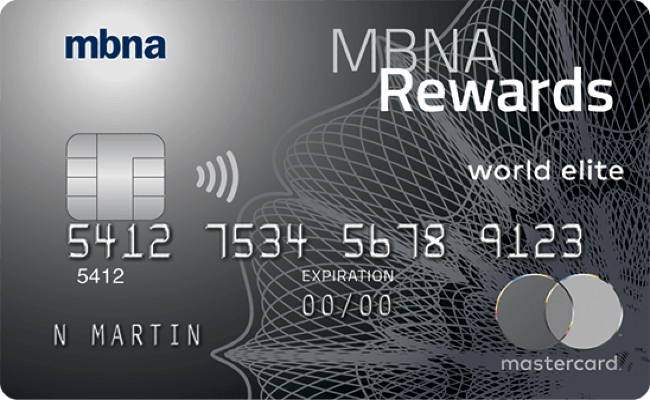
MBNA Rewards World Elite® Mastercard®: Best Overall Rewards Credit Card
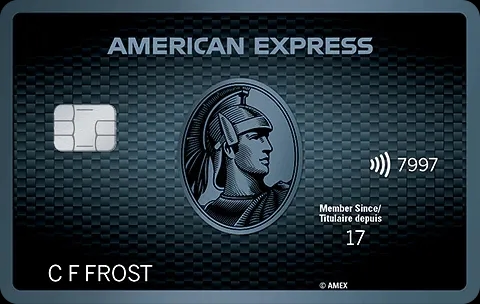
American Express Cobalt® Card: Best for Travelers
Rogers Red Mastercard: Rogers, Shaw, or Fido Customers
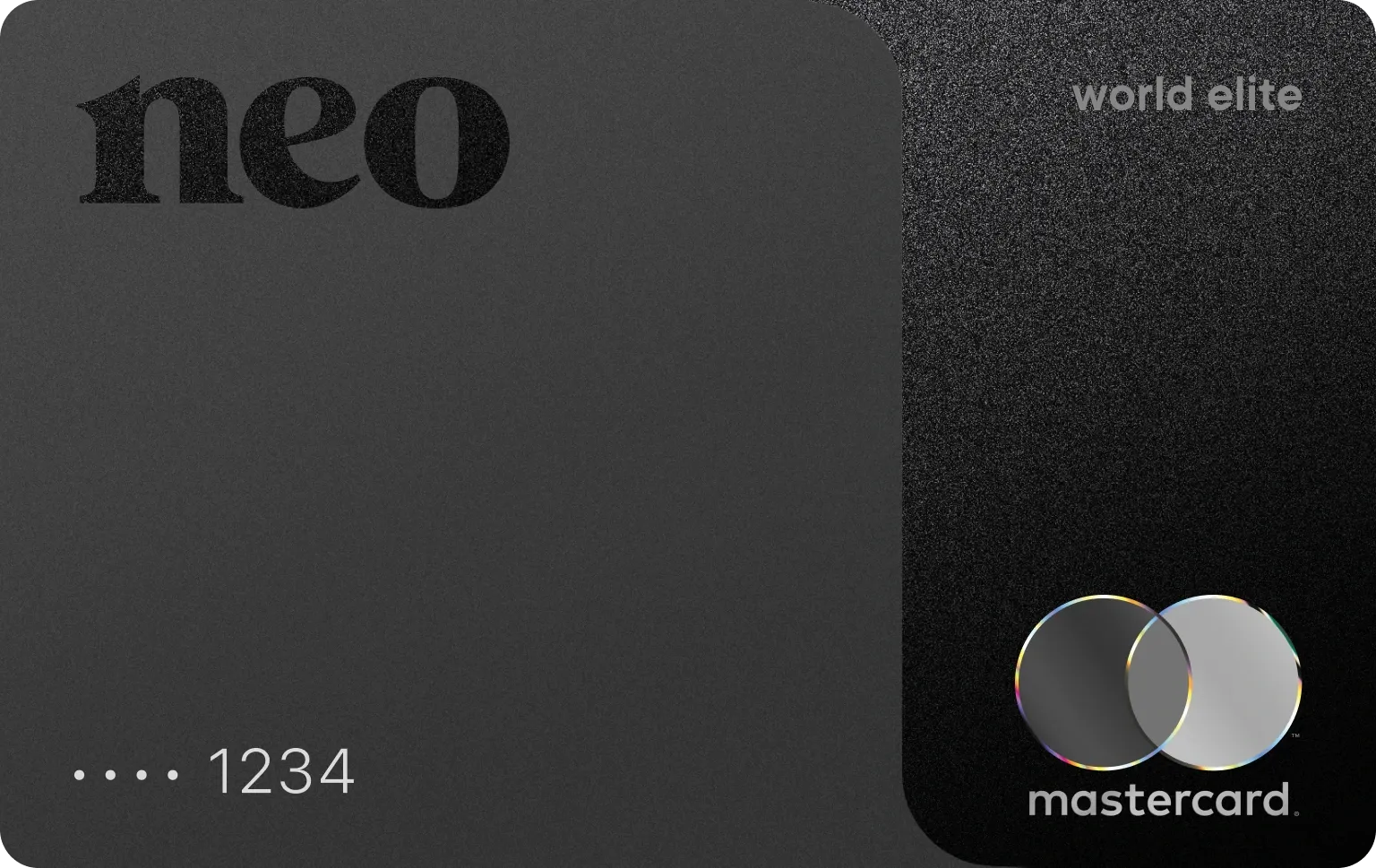
Neo World Elite® Mastercard – Gas & Grocery: Best Overall Cashback Credit Card
American Express® Green Card: Best No Annual Fee Points Card
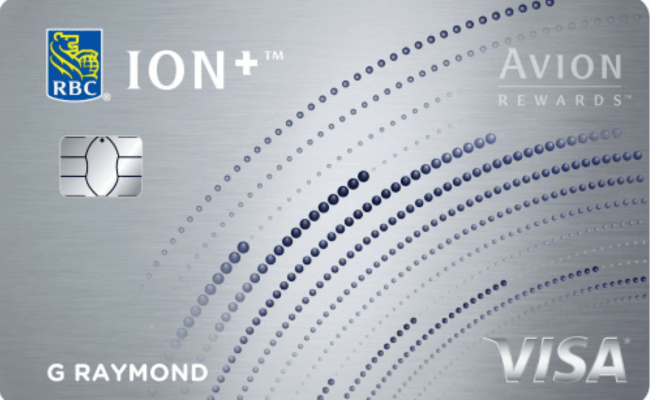
RBC ION+ Visa: Low Annual Fee Points Card
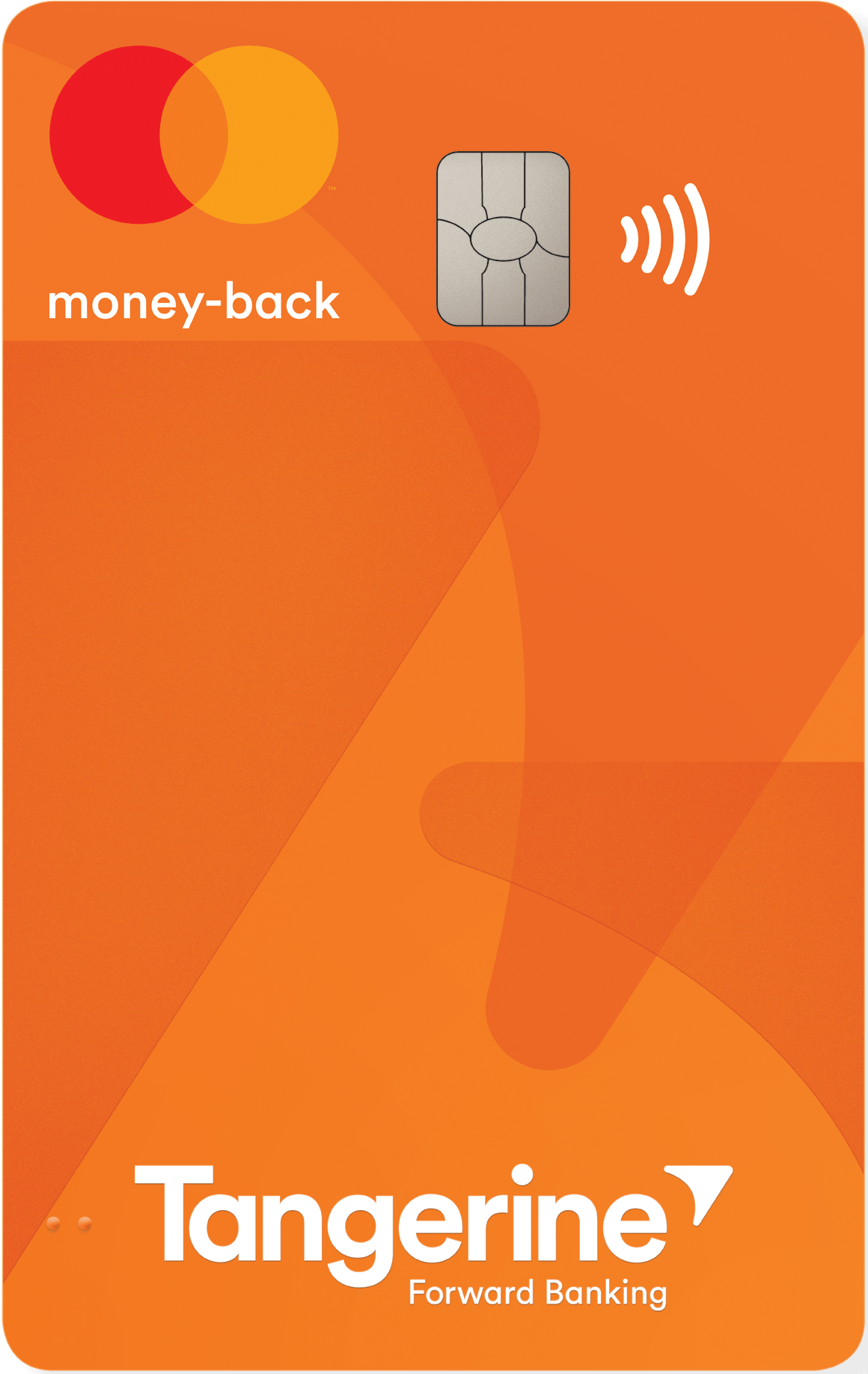
Tangerine Money-Back Mastercard: No Annual Fee Cashback Card
Best Rewards Credit Cards in Canada
Our choice for: Best Overall Rewards Credit Card
APPLY NOW
on MBNA's website

Welcome Bonus
Up to 30,000 points ($245 in cash back value or $300 when redeemed for MBNA Travel)††
Annual Fee
$120
Interest Rates
21.99% / 22.99%
RECOMMENDED CREDIT SCORE
300Poor
560Fair
660⁎Good
725⁎Very Good
760⁎Excellent
5/5
The MBNA Rewards World Elite® Mastercard® is one of the best reward credit cards in Canada, offering high rewards on frequently spent categories such as groceries and restaurant purchases. The annual birthday bonus, unique to this card, also provides a significant boost to your yearly earnings. Additionally, the card features a comprehensive list of benefits, including price protection—a rare and valuable perk not found with many other cards in Canada. These factors make this card one of the best to have in Canada.
Awards & Recognition

Best Rewards Credit Card
2026
Pros
- High grocery optimization
- High dining optimization
- Annual birthday bonus
- Solid travel insurance
- Rare price protection
- Good redemption values
Cons
- Missing key insurance categories
- Low gas optimization
- Annual fee
- High income requirements
Rewards
- Earn 5 points‡ for every $1 spent on eligible restaurant, grocery, digital media, membership, and household utility purchases until $50,000 is spent annually in the applicable category.
- 1 point‡ for every $1 on all other eligible purchases.
- Each year, you will receive Birthday Bonus Points‡ equal to 10% of the total number of Points the Account earned in the 12 months before the month of the primary cardholder's birthday, to a maximum Birthday Bonus each year of 15,000 Points.
Insurance
Coverage

Mobile Device Insurance
$1,000
Purchase Protection
90 days
Extended Warranty
1 year.svg)
Car Rental Damage & Theft
31 days
Flight Delay
$500/person after 4 hours
Common Carrier Travel Accident Insurance
$1,000,000
Travel Medical Insurance (64 & under)
$2M for 21 days
Lost or Stolen Baggage
$1,000/personBaggage Delay
$1,000/person
Price Protection
$500/item, $1,000/account per year
Benefits
Details

Annual Birthday Bonus
10% of the Points earned the 12 months prior to the primary cardholder's birthday month (up to a max 15,000 bonus points per year)
Car Rental Discount
10% off base rate of Avis Rent A Car and Budget Rent A Car in Canada and US and 5% internationally
Trip and legal Assistance
.svg)
Concierge Services
Eligibility
Credit Score
GoodAnnual Income
$80,000 personal or $150,000 household
Our choice for: Best for Travelers
Welcome Bonus
Up to 15,000 Membership Rewards® points
Annual Fee
$191.88⁕
$15.99 Paid Monthly
⁕ For Quebec, $191.88/year
Interest Rates
21.99%* / 21.99%*
RECOMMENDED CREDIT SCORE
300Poor
693Fair
743⁎Good
790⁎Very Good
833⁎Excellent
4.9/5
This card was voted one of the Best Credit Card in Canada by FinlyWealth. The rewards earned on this card for a person with average spending exceed those of other credit cards in Canada by a huge margin! In addition, this card has a good benefits coverage, a flexible amex cobalt bonus points redemption program (1:1 transfer to Aeroplan® or Avios), making it the best candidate to become the main credit card for the majority of people.
Awards & Recognition

Best Travel Rewards Credit Card
2026
Pros
- Impressive optimization
- 1:1 Aeroplan point transfer
- Generous welcome bonus
- Flexible high value redemptions
- Comprehensive coverage
- Highly ranked
- Instant decision. No credit impact.
Cons
- Limited acceptance
- Lacks valuable coverage categories
Rewards
- 5x points per $1 spent on eligible eats and drinks in Canada, including groceries and food delivery (up to 12,500 points per month)
- 3x points per $1 spent on eligible streaming subscriptions in Canada
- 2x points per $1 spent on eligible gas, transit & ride share in Canada
- 1x point per $1 spent on all other purchases
Insurance
Coverage
Travel Medical Insurance (64 & under)
15 days, up to $5M (if under age 65)Flight Delay
$500Baggage Delay
$500
Hotel Burglary Insurance
$500Lost or Stolen Baggage
$500Common Carrier Travel Accident Insurance
$250,000Car Rental Damage & Theft
yesMobile Device Insurance
$1,000Purchase Protection
90 daysExtended Warranty
1 year
Benefits
Details

Amex Experiences™
Access Front Of The Line® Amex Presale & Reserved Tickets to some of your favourite concerts and theatre performances and special offers and events curated for Cardmembers with Amex Experiences™.svg)
Travel Credit
Book two or more consecutive nights at participating properties through The Hotel Collection with American Express Travel to receive a $100 credit for amenities or a complimentary room upgrade, if available.
Eligibility
Credit Score
GoodAnnual Income
N/A
Our choice for: Rogers, Shaw, or Fido Customers

APPLY NOW
on Rogers Bank's website

Rogers, Fido or Shaw customer?
Eligible customers unlock boosted rewards on this card
+$240
Welcome Bonus
Welcome Bonus varies
Annual Fee
$0
Interest Rates
21.99% - 25.99%* / 22.99% - 27.99%*
RECOMMENDED CREDIT SCORE
300Poor
560Fair
660⁎Good
725⁎Very Good
760⁎Excellent
3.8/5
This card is one of our top-ranked options in terms of rewards, especially if you are a Rogers, Fido, or Shaw customer. With those services, you can effectively receive up to 2% cashback, which is competitive among other no-fee contenders. If you have a high income of $80K or a household income of $150K, you can apply for the World Elite® version of this card, which comes with additional insurance and benefits like a lounge pass.
Pros
- No annual fee
- Member boosting opportunities
- USD optimization
- Roam Like Home days
- Wide acceptance
Cons
- No insurance
- Low non-member rewards
- Annual spending caps
Rewards
- Earn 2% cash back on all eligible purchases if you have 1 qualifying service with Rogers, Fido, Shaw or Comwave. Otherwise, earn 1% cash back on eligible non-U.S. dollar purchases.
- Earn 2% cash back in all eligible purchases made in U.S. dollars.
Benefits
Details

Roam Like Home Days
Get 5 Roam Like Home days at no cost, every year, with an eligible Rogers mobile plan.
Eligibility
Credit Score
GoodAnnual Income
N/A
Our choice for: Best Overall Cashback Credit Card
APPLY NOW
on Neo Financial's website
Finly Special Offer
Welcome Bonus
$0 First-Year Annual Fee and $100 Welcome Bonus
Annual Fee
$149 $0
Interest Rates
19.99% - 26.99%□ / 22.99% - 28.99%
RECOMMENDED CREDIT SCORE
300Poor
560Fair
660⁎Good
725⁎Very Good
760⁎Excellent
4.6/5
This card offers some of the highest cash back rates in Canada for gas, groceries, and recurring purchases, which is pretty hard to beat. While the cash back rates are very high, you need to mind the spend caps set for each category to see if your earning potential is really that high compared to most other credit cards. However, if you're the average person whose spending is generally below $12k per year in groceries, $6k per year in recurring bills and $12k per year in gas, then you'll be doing pretty well, especially with the great insurance and benefit offers.
Awards & Recognition

Best Cash Back Credit Card
2026
Pros
- High cashback rates
- Premium insurance coverage
- Airport lounge membership
- Boosted partner cashback
- Instant approval and access
Cons
- High income requirements
- Spending caps
- Annual fee
Rewards
- 5% cash back on grocery purchases up to $1,000 spending per month
- 4% cash back on recurring purchases up to $500 spending per month
- 3% cash back on gas purchases up to $1,000 spending per month
- 1% cash back on all other purchases with no spending caps
- Up to 15% boosted cashback at thousands of partners across Canada - on top of base cashback rates
Insurance
Coverage
Travel Medical Insurance (64 & under)
Up to $1,000,000
Trip Cancellation
$1,000
Trip Interruption
$1,000Flight Delay
$500Baggage Delay
$1,000Hotel Burglary Insurance
$1,000
Car Rental Accident
$100,000 for cardholder, up to $10,000 per Spouse or Dependent ChildCar Rental Damage & Theft
Yes.svg)
Car Rental Personal Effects
$1,000Purchase Protection
90 daysExtended Warranty
1 yearLost or Stolen Baggage
$1,000
Mastercard Zero Liability Protection
Yes
Benefits
Details

Airport Lounge - Dragon Pass
Pass only - pay $32 USD per visit
No Foreign Transaction Fees1
You can get all FX fees rebated up to $10K spending per month with a Neo Grow membership ($12.99/month cost or $0 with $20K across your Neo accounts)
World Mastercard Benefits
Including discounting with participating partners and DragonPass airport lounge access.
Eligibility
Credit Score
GoodAnnual Income
$80,000 personal or $150,000 household
Our choice for: Best No Annual Fee Points Card

Welcome Bonus
Up to 10,000 Membership Rewards® points
Annual Fee
$0
Interest Rates
21.99%* / 21.99%*
RECOMMENDED CREDIT SCORE
300Poor
693⁎Fair
743⁎Good
790⁎Very Good
833⁎Excellent
2.8/5
The American Express® Green Card is a great option for those looking for a no-frills card that earns rewards on all purchases without any annual fee or minimum income requirement. It's an accessible card with no cap on rewards, making it ideal for those who want to earn points without the higher costs and complexities of premium cards. However, it does come with lower rewards earnings across most categories and a modest welcome bonus.
Pros
- No spending limits
- Flexible redemption options
- VIP perks
- Eco-friendly plastic
- Instant decision. No credit impact.
Cons
- Lower reward rates
- Limited travel perks
- Limited acceptance
Rewards
- 1x point per $1 spent on all purchases
Insurance
Coverage
Purchase Protection
90 daysExtended Warranty
Up to a year
Benefits
Details
Amex Experiences™
With Amex Experiences™ and Front Of The Line® Amex Presale Tickets, American Express Cardmembers get access to amazing events in Canada
Extra points
2 points on Amex Travel Online purchases
Eligibility
Credit Score
FairAnnual Income
N/A
Our choice for: Low Annual Fee Points Card
APPLY NOW
on RBC's website
Welcome Bonus
Get up to 28,000 Avion points^ - that's up to $200 of value in gift cards†!
Annual Fee
$48
Interest Rates
20.99% / 22.99%□
RECOMMENDED CREDIT SCORE
300Poor
560Fair
660⁎Good
725⁎Very Good
760⁎Excellent
4.5/5
The RBC Ion+ Visa delivers exceptional value for its modest $48 annual fee, offering an impressive 3x Avion points on a comprehensive range of everyday spending categories including groceries, dining, gas, streaming, and transit. What makes this card particularly appealing is its standout mobile device insurance coverage up to $1,000 for two years, plus the fee waiver for students with qualifying RBC accounts. While the card earns Avion Premium points, they can be converted 1:1 to the more valuable Avion Elite points when paired with an eligible RBC Avion card, unlocking premium travel redemptions and airline transfers, making this one of the best low-cost rewards cards available in Canada.
Pros
- Petro Canada perks
- Generous welcome bonus
- Solid optimization
- Mobile device insurance(3)
Cons
- Weaker ION tier
- Limited insurance
Rewards
- Earn 3X Avion points for every $1 spent on groceries, gas, dining, food delivery, rideshare, streaming services and more1
- Earn 1X Avion point for every $1 spent on all other qualifying purchases1
Insurance
Coverage
Purchase Protection3
90 daysExtended Warranty3
Up to a yearMobile Device Insurance3
$1,000
Benefits
Details
.svg)
Gas Discount
Save 3¢/L on fuel and earn 20% more Petro-Points and Avion points when you pay with an eligible linked RBC card(4)Extra points
50 Be Well™ points on every $1 spent on eligible purchases at Rexall(5)
Discount
Add your credit card to your DoorDash account and get a 6-month complimentary DashPass subscription(6)Extra points
Earn 1 extra Moi point for every $2 spent at participating Moi Rewards stores (minimum purchase required)(8)
Eligibility
Credit Score
GoodAnnual Income
N/A
Our choice for: No Annual Fee Cashback Card
APPLY NOW
on Tangerine's website
Welcome Bonus
10% Cash Back (up to $100 value) + 1.95% balance transfer promo rate for 6 months
Annual Fee
$0
Interest Rates
20.95%* / 22.95%*
RECOMMENDED CREDIT SCORE
300Poor
560⁎Fair
660⁎Good
725⁎Very Good
760⁎Excellent
4.4/5
While we think Tangerine isn't the best single credit card to own, it's still a valuable card to have in your arsenal for maximizing your rewards. It offers one of the highest cashback rates for pharmacy and recurring bill payments, areas where your other credit cards might not provide significant rewards. This card only requires a Fair credit score, making it an excellent choice for people who don't have a high credit score yet.
Awards & Recognition

Best Starter Credit Card
2026
Pros
- Customizable cashback
- Unique categories available
- High recurring transaction optimization
- High pharmacy purchase optimization
- Bonus category available
- No annual fee
Cons
- Basic insurance
- Low base earn rate
Rewards
- 2% Money-Back Rewards on your choice of two categories from the 13 offered by Tangerine (Grocery, Restaurants, Gas, Entertainment, Furniture, Hotel-Motel, Drug Store, Reccurring Bill Payments, Home Improvement, Public Transportation and Parking and more). Change them up every 90 days to match your spending habits.
- Have your Money-Back Rewards deposited into a Tangerine Savings Account and get a third 2% Money-Back Category.
- 0.5% cashback on all other credit card purchases.
Insurance
Coverage
Purchase Protection
90 daysExtended Warranty
Up to a year
Eligibility
Credit Score
FairAnnual Income
$12,000 personal
How we picked these cards
When deciding which cards earned the top spots for rewards, three factors were considered. First, the reward rate on purchases across different categories was evaluated. Second, we looked at whether these categories were popular spending areas, such as groceries, restaurants, and similar everyday expenses. Finally, the annual fee was deducted from the total rewards to ensure a fair comparison between cards with no annual fee and those that have one.
Since FinlyWealth's credit card compare tool already factors in all these considerations, most of the selected cards are top recommendations from that tool.
What are the different types of rewards credit cards?
Generally, there are a few different card types to consider: personal credit cards, business credit cards, or credit cards that are co-branded with specific retailers (think Costco, Amazon, or PC Optimum). Within these card categories, cardholders either receive cashback, points or miles.
Below, we've broken down these reward types even further:
Cashback
Cashback credit cards put a percentage of your eligible purchases back in your pocket. These percentages are based either on specialized earn categories or a flat rate. Specialized earn categories might include gas, groceries or recurring payments, depending on the card. Each category will have its own cashback rate. For example, your card might earn you 4% cashback on groceries, 3% cashback on gas, and 1% cashback on everything else. Flat-rate credit cards, on the other hand, have a fixed cashback rate on all eligible purchases.
Browse your top cashback options here: Canada's Best Cash Back Credit Cards
Points
Some cards earn you points on eligible purchases instead. You can collect points on everyday purchases or travel. Like cashback cards, points cards either come with specialized earn categories or a flat-rate of points earned on all eligible purchases. Points are usually earned on a per-dollar basis. For instance, you might earn 4 points per dollar spent on groceries.
The value of your points depends on the card's loyalty program and that program's redemption categories. Take American Express Membership Rewards points for example. These points are most valuable when redeemed towards travel (specifically transfers to airline partners) and least valuable when redeemed towards merchandise.
Miles
Miles operate similar to points but are linked to specific airline programs, like Asia Miles. Oftentimes, you'll earn miles on travel-related purchases and then be able to redeem them for the best value towards future flights, whether that be within the same airline or any partner airlines.
Should you go for a cashback or points credit card?
Whether you choose a cashback credit card or a points credit card ultimately depends on your spending habits. Generally, if you tend to spend more money on everyday purchases, then you'd go for a cashback credit card that complements your financial lifestyle. On the other hand, if you travel often and want to take advantage of premium trip-oriented perks and coverage, you should opt for a points credit card instead.
Cashback credit cards are often more flexible when it comes to redeeming rewards, since you can apply your cashback towards any future purchase you'd like. Alternatively, points credit cards are limited to the redemption categories associated with their corresponding loyalty program. The value of your points also varies depending on the redemption category. For example, most of the time, travel tends to be the most valuable way to spend your points. To add a bit more flexibility, points can sometimes be transferred to other loyalty programs. For instance, American Express Membership Rewards points can be transferred to Aeroplan at a 1:1 ratio.
Due to their premium travel perks, points credit cards often have higher annual fees on average, but they usually come with bigger welcome bonuses.
In summary, cashback credit cards are ideal for cardholders who want a simple and flexible rewards program that caters to everyday purchases. Points credit cards, on the other hand, are best suited for frequent travellers looking to indulge in better travel perks, coverage, and intro offers.
Read More: Cashback vs. Travel Rewards Credit Cards, Best Travel Credit Cards in Canada
Tips on how to best use your rewards credit card
The best way to use your rewards credit card is to maximize its full potential.
This starts with selecting a rewards credit card that complements your spending habits. For instance, if you spend most of your money on groceries and gas, you'll want a credit card that optimizes both of those categories. You'll also want to pick a card that offers consistently high reward rates in your most common spend categories.
Read More: Best Grocery Credit Cards in Canada, Best Gas Credit Cards in Canada
The second strategy you'll want to tap into is timing intro offers with large purchases. Many credit card welcome bonuses come with minimum spending requirements, meaning you'll need to meet these spending milestones in order to cash in on extra points or cashback. To ensure that you'll hit those milestones, time the opening of a new card with booking a trip or funding new furniture or appliances for your home.
Third, you'll want to practice strategic card switching. This means curating the perfect line-up of credit cards that cover all your expenses. Your perfect line-up might consist of an everyday cashback card, a premium travel card, and perhaps a store-branded credit card for more niche purchases.
Finally, you can also take your reward accumulation even further by stacking your credit card rewards. The best way to do this is by making purchases with your card on a cashback app. These apps earn you extra cashback on partner retailers. This method allows you to collect both the rewards on your card and the purchases you make through the app.
Frequently Asked Questions
You earn credit card rewards by using your card to make eligible purchases. Purchases are deemed eligible when they align with your card's reward categories. For example, if you have a credit card that earns you 4% cashback on gas, then you'll pocket rewards each time you tap your card at a qualifying gas pump.
The redemption process varies by card and by card type.
Typically, cashback can be redeemed towards any purchase. Depending on your issuer, you'll be able to choose where your cashback gets deposited. When you receive your cashback depends on the card; it might be every billing cycle, once per year, or whenever you meet a minimum threshold.
Points or miles can only be redeemed towards eligible redemption categories within their loyalty program. In some cases, points can be transferred from one loyalty program to another. When you receive your points also depends on the card. Always check your card's terms and conditions for details.
Learn More: How to Optimally Redeem Your Credit Card Points
Generally, personal credit card rewards are not taxable in Canada, but rewards earned on business credit cards may be, depending on how they are earned and used. For example, if the rewards are converted into cash, received as employee compensation, or earned through a company-controlled card, then they could be considered taxable benefits.
Learn more: Are Credit Card Rewards Taxable in Canada?
If you find a credit card with a rewards program that complements and optimizes your spending habits, then you should absolutely apply for it. You should also go for a rewards credit card if the card in question is estimated to earn you enough in yearly value to offset the annual cost, or better yet, if the card has no annual fee whatsoever. A credit card that checks off all of these boxes is considered to be one of the best credit cards in Canada.
Note that if you're considering a rewards credit card, make sure you intend on paying off your balance on time and in full, this contributes to positive credit health. Failing to do so can accumulate debt, interest, and negatively impact creditworthiness as a result.
Learn More: Should You Get a Rewards Credit Card?
To find your ideal rewards credit card, you'll want to check out our credit card comparison tool. Enter your spending habits into our comprehensive filters to generate a list of your top contenders.
Whether or not your credit card points expire depends on your credit card and/or your rewards program. Some points never expire as long as your credit card remains open and in good standing. However, some points may expire due to account inactivity. Check your card's terms and conditions for details.
The value of your credit card points depends on your card's loyalty program and that loyalty program's redemption categories. For example, American Express Membership Rewards points hold a different cent-per-point value than Scene+ points. Points hold a different value within their respective loyalty program as well depending on how you redeem them. For instance, American Express Membership rewards points are more valuable when redeemed towards travel than merchandise. Check out our credit card points calculator for more details.
Annual fees typically account for a card's overall value. For example, if a card has rich rewards, premium perks, and/or comprehensive coverage, it's likely going to have an annual fee. Oftentimes, the higher the yearly cost, the better the card's value. That said, you can typically offset a card's annual fee by making the most out of its rewards program, perks, and coverage. This means using the card as often as possible to collect rewards (responsibly), taking advantage of included insurance coverage, and using every added benefit to its full extent.
Read More: Pros and Cons of Credit Card Annual Fees
About the author

Kevin Shahnazari
Co-founder
Kevin started FinlyWealth and juggles a bit of everything—digging into data, running our marketing, and keeping the finances on track. Before this, he spent years as a data scientist at tech companies...
SEE FULL BIOAbout the editor

Abid Salahi
Co-founder
Abid leads the design and engineering of the FinlyWealth website, making sure everything runs smoothly and looks great. He’s a seasoned software engineer who follows best practices and designs interfa...
SEE FULL BIOAbout the reviewer

Sara Skodak
Lead Writer
Since graduating from the University of Western Ontario, Sara has built a diverse writing portfolio, covering topics in the travel, business, and wellness sectors. As a self-started freelance content ...
SEE FULL BIO